Have an emergency? Call us now on 07732 234231. Available 24/7 with a 30 minute response time.

TL;DR:
- Insulating exposed pipes and maintaining consistent heating prevent freezing and bursting.
- Regular boiler servicing and drain-down procedures reduce costly winter plumbing emergencies.
- Promptly fixing small issues and monitoring outdoor drains are key to avoiding severe damage.
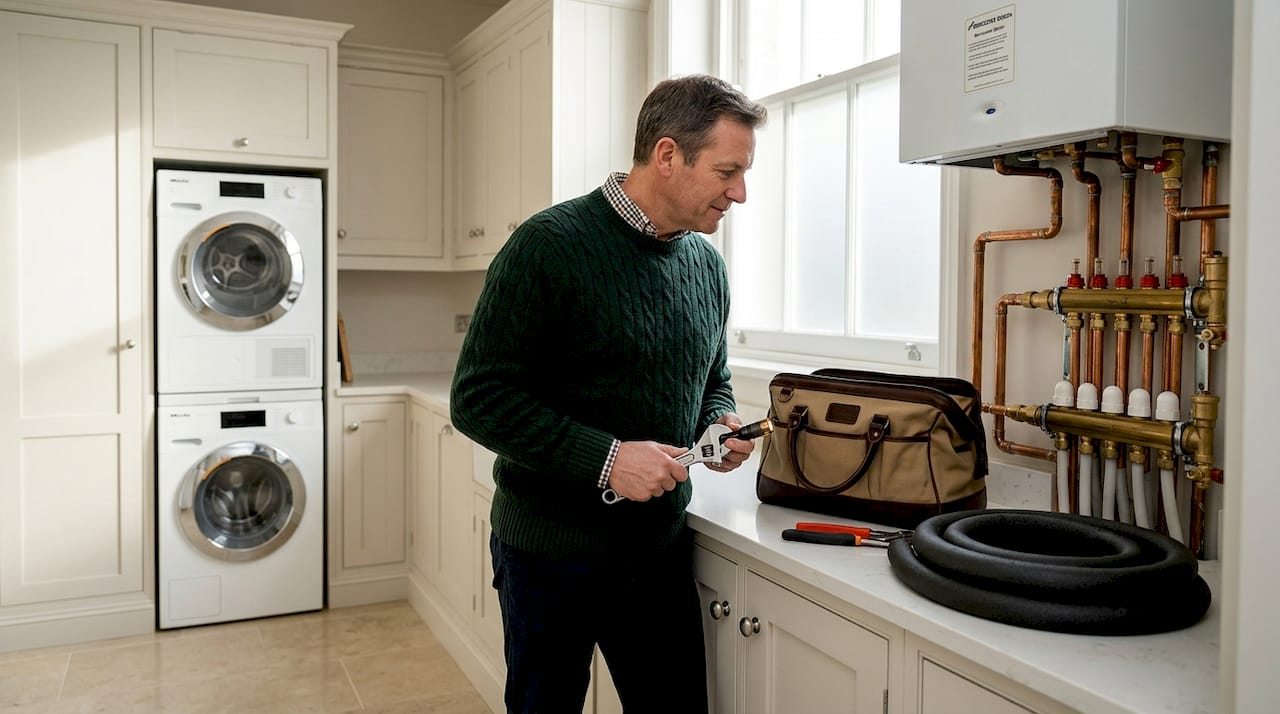
Hampshire winters are mild by northern standards, but even a few sharp nights can leave your plumbing in serious trouble. Burst pipes alone can cost more than £7,000 to repair, and frozen boilers leave families without heat at the worst possible time. Whether you own your home or rent it, taking the right steps before cold weather arrives makes all the difference. This guide walks you through the most effective expert-backed winter plumbing tips, from identifying your biggest risks to comparing the strategies that protect Hampshire homes year after year.
| Point | Details |
|---|---|
| Prioritise pipe insulation | Insulating exposed pipes is one of the most cost-effective ways to prevent winter damage. |
| Regular checks matter | Inspect boilers, radiators, and drains before and during winter to catch problems early. |
| Communication prevents emergencies | Landlords and tenants should clearly agree on winter plumbing responsibilities and report faults quickly. |
| Prompt action saves money | Quickly addressing minor plumbing issues can avoid expensive repairs from bursts or leaks. |
With the importance of preparation introduced, let’s start by identifying your biggest winter plumbing vulnerabilities. Not every home faces the same threats, and understanding where your risks lie helps you prioritise what to tackle first.
The most common winter plumbing hazards in Hampshire homes are burst pipes caused by freezing water expanding inside the pipe, frozen external drains backing up into the property, and a boiler that struggles or fails entirely when temperatures drop. Each of these can cause significant damage, disrupt daily life, and lead to costly repair bills that insurers don’t always cover in full.
Start by asking yourself a few key questions. Where are the pipes in your home that sit in unheated spaces? Think loft spaces, garages, and under-floor voids. Is your boiler serviced and running at the correct pressure? Boiler pressure should typically sit between 1 and 1.5 bar when the system is cold. Scheduling regular heating system checks before the cold season is one of the simplest ways to catch problems early.
Knowing where your stopcock is located is essential. This is the valve that shuts off your mains water supply, and in an emergency, finding it quickly can mean the difference between minor water damage and a flooded home. Check that it turns freely and note its location for every member of your household.
For rented properties, the responsibilities are shared but distinct. Landlord and tenant winter guidance confirms that landlords must insulate pipes, maintain heating systems, and keep drains clear, while tenants should report any issues promptly and avoid leaving properties unheated. Vacant homes present a particular risk and require either a full drain-down of the system or regular check-ins throughout winter. Reading the heating tips for winter available for Hampshire residents can also help you spot inefficiencies that leave your home vulnerable.
Key risk factors to check now:
Pro Tip: Create a simple home plumbing checklist at the start of each autumn. Tick off each item as you check it, and note anything that needs a professional look. A written record also helps if you ever need to make a claim with your home insurer.
Now you know your risks, here’s a practical step-by-step checklist to keep your plumbing safe this season. These tasks are straightforward, most cost very little, and the protection they offer far outweighs the effort involved.
The full tip list for landlords also recommends tenants report issues promptly and that pipes are insulated and heating maintained throughout the cold months, which applies equally to homeowners.
Pro Tip: Foam pipe lagging and draught excluders are two of the cheapest and quickest wins you can make. A roll of lagging costs just a few pounds and can protect hundreds of pounds worth of pipework. Draught excluders on external doors also stop cold air from reaching internal pipe runs near entrances.
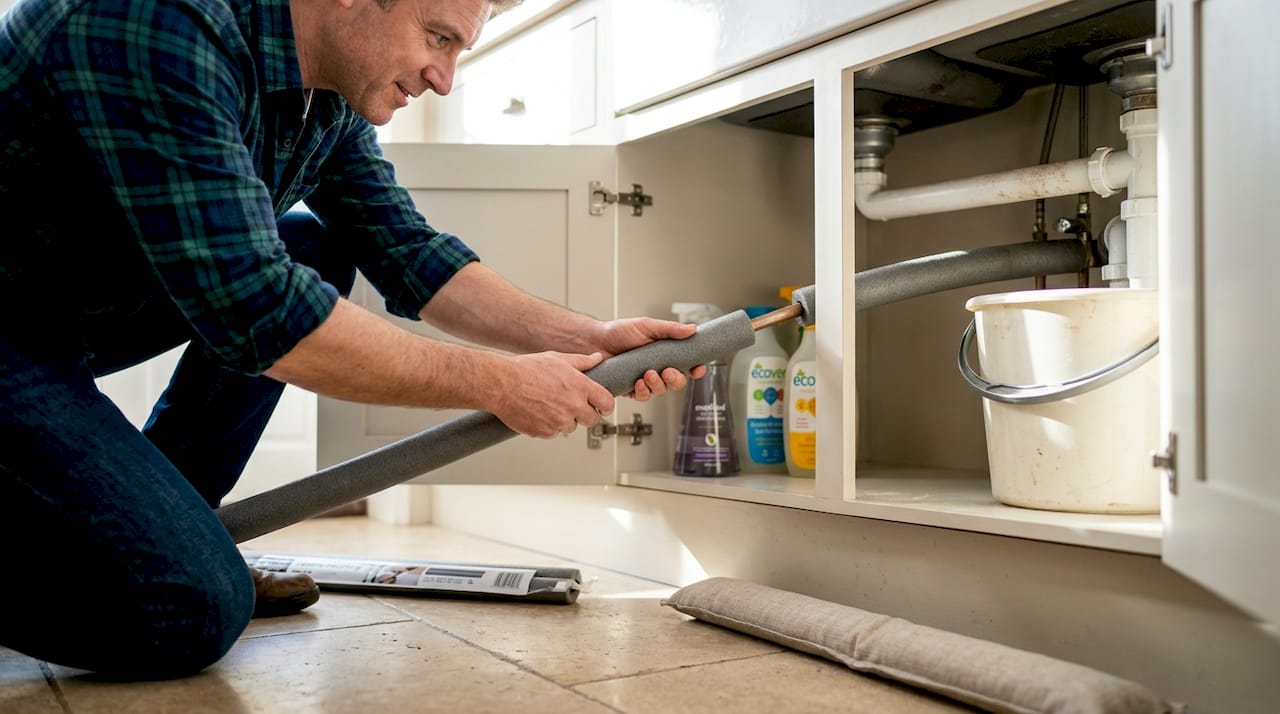
While the tips just covered work for most residents, landlords, tenants, and vacant properties require extra care. The legal and practical responsibilities differ significantly, and both parties need to understand their role.
For landlords, the duty is clear. You are responsible for ensuring that the plumbing and heating systems in your property are maintained in safe, working order. This means arranging annual boiler services, insulating exposed pipes before winter, and responding swiftly when tenants report problems. Keeping records of all maintenance work carried out is also important for legal protection. Explore how protecting properties in winter is approached professionally to understand what a thorough seasonal check involves.
For tenants, the responsibility is to use the property with care and communicate problems early. Do not wait until a small drip becomes a flood before contacting your landlord. You should also avoid turning the heating off completely during cold spells, particularly if you’re going away for a few days.
Vacant homes need full drain-down or regular checks throughout winter. Tenants should report problems swiftly to avoid making damage worse and to fulfil their obligations under the tenancy agreement.
Vacant properties carry the highest risk of all. Without anyone present to notice a slow leak or a failing boiler, small issues escalate rapidly. If your property will be empty for more than a few days during cold weather, you have two options. Either drain down the entire plumbing system to remove water from the pipes, or arrange for someone to visit the property regularly to check the heating is running and nothing has gone wrong.
Checklist for vacant properties:
For more guidance on managing Hampshire properties through winter, review the essential Hampshire plumber tips covering both domestic and commercial properties across the county. Also, use the seasonal landlord checklist to ensure nothing is overlooked before temperatures fall.
To help you choose your top priorities, here’s a side-by-side look at the main winter plumbing strategies.
| Strategy | Effectiveness | Approximate cost | Ease of doing it yourself |
|---|---|---|---|
| Pipe insulation (foam lagging) | Very high | £5 to £20 | Very easy |
| Annual boiler service | Very high | £80 to £120 | Requires a professional |
| Bleeding radiators | High | Free | Easy |
| Clearing gutters and drains | High | Free to £50 | Easy to moderate |
| Background heating setting | High | Small ongoing energy cost | Very easy |
| Drain-down for vacant property | High for empty homes | Free to £100 (if professional) | Moderate |
| Tenant communication (landlords) | High | No direct cost | Easy |
The data speaks for itself. Pipe insulation and regular boiler checks sit at the top for a reason. As the evidence for these strategies shows, insulating pipes, maintaining heat, and clearing drains are the most reliable preventatives available to homeowners and landlords alike.
Frozen pipe repairs in the UK are notably expensive. Most claims run to over £7,000 when you account for the burst pipe itself, subsequent water damage to walls, floors, and ceilings, and the cost of temporary accommodation if the home becomes uninhabitable. Compare that to a roll of foam lagging and an annual boiler service, and the case for preventative maintenance steps becomes impossible to ignore.
Statistically, the combination of pipe insulation and a pre-winter boiler service reduces the likelihood of a plumbing emergency by a significant margin, saving money and stress in equal measure.
You’ve seen the main strategies side-by-side, but here’s what experience in Hampshire homes has shown us again and again. The homeowners who face the most costly winter repairs are rarely those who ignored everything. They’re the ones who noticed a small problem and decided it could wait.
A dripping overflow pipe in November. A boiler that’s been cutting out and restarting. A radiator that never quite heats up. These are the warning signs that get dismissed as minor inconveniences, right up until they become genuine emergencies at the worst possible time.
Hampshire’s winters are unpredictable. A mild December can be followed by a brutal cold snap in February. Relying on that mild spell to continue is a gamble that costs local homeowners thousands of pounds every year. We’ve seen it happen more times than we can count across Portsmouth, Waterlooville, and the wider county.
The uncomfortable truth is that DIY fixes and delayed repairs are almost always more expensive in the long run. Knowing when to replace old heating equipment rather than patching it through another winter is the kind of decision that experienced local engineers make every day. Trust the process, act early, and don’t let a small issue become a disaster.
If you’re ready to safeguard your plumbing before the cold strikes, here’s how Hampshire experts can help. At Skan Heating, we’ve been supporting homeowners and landlords across Portsmouth, Waterlooville, and the surrounding areas for over 18 years, providing boiler installations, repairs, servicing, and emergency plumbing support.

Whether you need to follow a boiler installation checklist for a new system or want to work through an annual boiler service workflow before winter sets in, our team is here to help. Our Gas Safe heating engineers are available 24/7 for emergencies and can carry out pre-season checks that give you genuine peace of mind. Don’t wait for the first frost to find out something is wrong. Book your winter plumbing check today and head into the cold months with confidence.
The most effective steps are insulating exposed pipes with foam lagging, keeping your heating set to at least 12 degrees Celsius, and draining down the system if you’re leaving the property unoccupied for several days.
Landlords are legally responsible for maintaining safe, working plumbing, but tenants should report issues quickly and avoid actions that could worsen existing problems, such as turning the heating off entirely.
Check and clear outdoor drains and gutters every few weeks during autumn and winter, particularly after heavy rainfall or storms, as blockages develop quickly during leaf fall season.
Turn off the mains water immediately at the stopcock and contact a professional plumber as soon as possible to assess the damage and carry out safe repairs.