
Have an emergency? Call us now on 07732 234231. Available 24/7 with a 30 minute response time.

TL;DR:
- Early recognition and maintenance prevent costly plumbing repairs and property damage.
- Common issues include leaks, blockages, low pressure, and foul odours caused by wear, external factors, or poor installs.
- Regular inspections and professional help are essential for long-term reliability and avoiding major emergencies.
Telling the difference between a minor plumbing nuisance and a genuine emergency is something most homeowners and business operators in Hampshire struggle with. A dripping tap might seem harmless, yet the same symptom can signal a failing valve or the early stages of a much larger leak. Catching problems early is the single most effective way to keep repair costs down and avoid the kind of disruption that turns a straightforward fix into a major project. This guide walks you through the most common plumbing faults, what causes them, how they affect your property, and what you can do about them before they escalate.
| Point | Details |
|---|---|
| Spot issues early | Recognising small warning signs can prevent expensive plumbing emergencies. |
| Act fast on leaks | Delaying leak repairs leads to greater damage and higher costs. |
| Regular maintenance helps | Routine checks and timely action keep plumbing systems reliable year-round. |
| Know when to call experts | Some problems need professional intervention for safe and lasting solutions. |
Hampshire properties, whether Victorian terraces in Portsmouth or modern commercial units in Waterlooville, share a surprisingly consistent set of plumbing complaints. Recognising the symptoms early is what separates a quick repair from a costly overhaul.
Here are the most frequently reported plumbing problems:
Statistic: Household leaks waste an average of nearly 10,000 gallons of water per year in the US alone, and UK figures are comparable in scale. Low pressure from leaks and corrosion, as well as pipe bursts from freezing, are among the leading causes of domestic water waste.
For a broader picture of keeping your plumbing reliable, the plumber tips for reliability on our blog are worth reviewing. Each symptom listed above has a distinct cause, and understanding the pattern makes diagnosis far more straightforward.
Recognising common faults is the first step. Understanding what causes them helps prevent future issues and guides you towards the right solution.
“Sewer backups are commonly caused by blockages, tree roots, or pipe collapse, while unpleasant odours often originate from bacteria, sulphur compounds, or hydrogen sulphide building up within the system.”
External ground movement, particularly after prolonged dry spells followed by heavy rain, can also shift underground pipework enough to crack joints or misalign drain sections. This is more common than most people realise in clay-heavy Hampshire soils. Understanding how these causes interact with your hot water system impacts is equally important, since many root causes affect both cold and hot water circuits simultaneously.
Now that you understand the root causes, let’s clarify why addressing each problem swiftly is so important.
| Issue | Short-term risk | Long-term consequence |
|---|---|---|
| Leaking pipe | Damp walls, mould growth | Structural damage, costly remediation |
| Blocked drain | Slow drainage, odours | Sewage overflow, health hazard |
| Low water pressure | Inconvenience, poor flow | Hidden leaks, wasted water |
| Sewer odours | Unpleasant environment | Dangerous gas build-up, system failure |
| Burst pipe | Immediate flooding | Ceiling collapse, electrical risk |
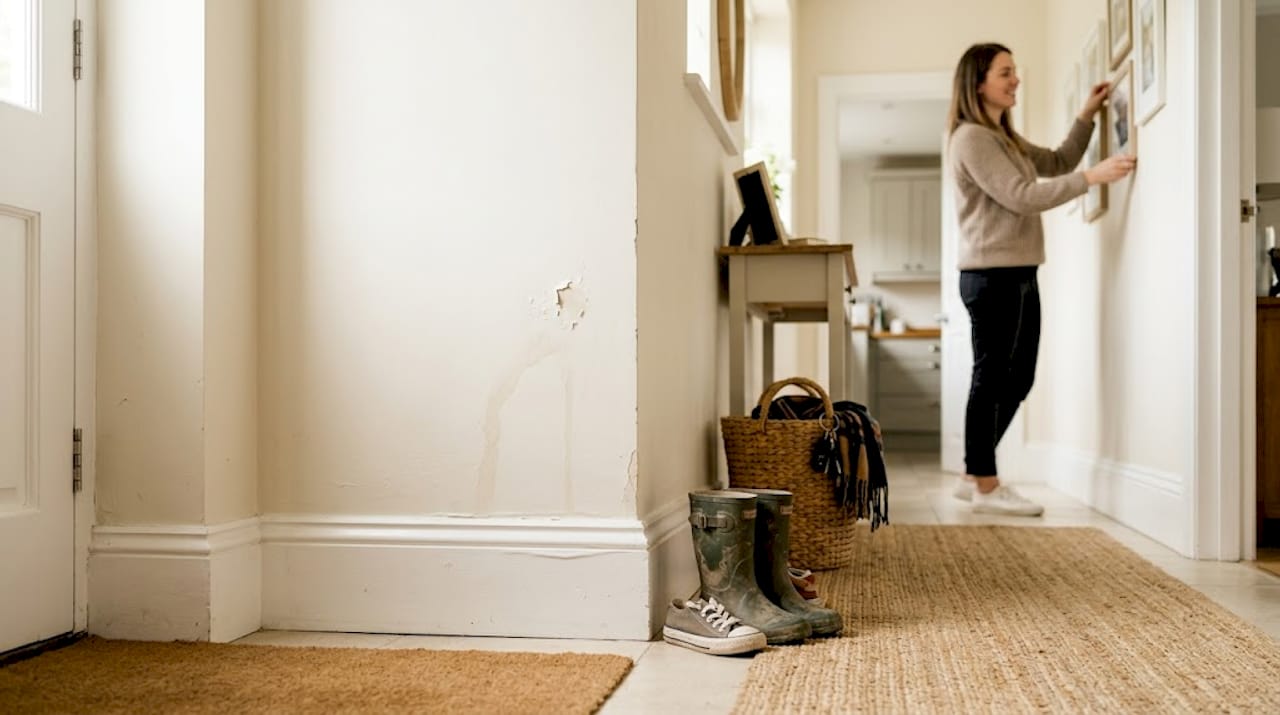
Leaks are particularly deceptive. A slow drip inside a wall cavity can saturate timber joists and plasterboard for months before any visible sign appears. By that point, the repair bill often includes not just plumbing but also structural drying, replastering, and sometimes mould remediation. Pipe bursts from freezing and leak-related property damage are among the most expensive claims made on home insurance policies each year.
Blocked drains carry a different kind of risk. When a drain backs up fully, sewage can enter the property through the lowest outlet, which in many homes is a ground-floor shower or toilet. This creates a genuine health hazard, not just an inconvenience.
Low water pressure is often dismissed as a minor annoyance, but it frequently signals wasted water through a hidden leak somewhere in the system. Left unaddressed, that leak is quietly causing damage you cannot yet see.
Pro Tip: If you notice a sudden drop in water pressure across multiple outlets at once, turn off your stop tap and check your water meter. If the dial still moves, you have an active leak somewhere in the supply line.
For guidance on protecting your hot water supply specifically, the hot water maintenance steps checklist covers the key actions to take.
With an appreciation for the risks, let’s focus on the most effective ways to resolve and avoid repeating these plumbing headaches.
| Approach | Best for | Limitations |
|---|---|---|
| Permanent repair | Long-term fix, structural integrity | Requires skill or professional help |
| Temporary fix | Emergency containment | Not a substitute for proper repair |
| Preventive action | Avoiding problems entirely | Requires consistent effort |
For leaking pipes, the repair method depends on the pipe material and the severity of the fault. For copper pipes, cutting out the damaged section and using push-to-connect or compression couplings is a reliable permanent fix. Soldering is the traditional approach for copper but requires skill. For a temporary seal, a pipe clamp or epoxy putty can hold until a plumber arrives.
Key preventive actions you can take right now:
Pro Tip: Push-to-connect fittings (sometimes called Speedfit or SharkBite) are a genuine game-changer for emergency repairs. They require no tools, no soldering, and can be fitted in minutes. Keep one or two in your home toolkit.
For ongoing care of your hot water circuit, the advice on maintaining hot water systems provides a practical framework that complements these repair strategies.
After understanding solutions, good maintenance ensures your plumbing system remains trouble-free long term.
A simple routine inspection schedule makes a real difference:
Signs that require immediate professional attention:
Do-it-yourself maintenance has its limits. Tightening a visible joint or clearing a surface blockage is well within most people’s ability. But working on pressurised systems, gas connections, or underground drainage without the right qualifications risks making the problem significantly worse. Always test after repair to confirm the fix is sound before closing up access panels or reinstating flooring.
For a structured approach to keeping your heating and plumbing in good order, the preventative heating steps guide outlines what a professional maintenance visit should cover.
After 18 years of attending plumbing call-outs across Hampshire, one pattern stands out above all others: the jobs that cost the most are almost never the result of sudden, unforeseeable failures. They are the result of small problems that were noticed and ignored.
A homeowner spots a damp patch and paints over it. A business owner notices a slow drain and pours bleach down it. Both feel like they have dealt with the problem. Neither has. Six months later, we are cutting out a section of floor or replastering an entire wall.
The uncomfortable truth is that most plumbing disasters are entirely preventable. The types of plumbing solutions available today mean there is almost always a cost-effective fix available at the early stage. Waiting transforms a £150 repair into a £1,500 project. Regular professional check-ups are not an expense. They are the cheapest insurance you can buy for your property.
Acting on the advice in this guide is straightforward when you have a reliable local plumber to call on. Professional repairs stop problems from compounding, free up your time, and ensure the work meets current standards.

At Skan Heating, we provide local plumbing solutions for homeowners and businesses across Hampshire, with 18 years of experience and a 24/7 emergency response. Whether you need commercial plumbing help for your business premises or straightforward troubleshooting hot water support at home, our certified engineers are ready to help. Get in touch today for a no-obligation assessment.
Unusual sounds such as gurgling or banging, unexplained rises in your water bill, and water stains on walls or ceilings are often the earliest warning signs worth investigating.
Call a plumber for persistent leaks, sewer odours, or sudden low pressure, since sewer backups from blockages or tree roots and pressure loss from corrosion can escalate quickly without expert attention.
A pipe clamp or suitable epoxy putty provides a reliable temporary seal. Always test after repairing to confirm the fix is holding before leaving it unattended.
Bad smells from taps or drains usually result from bacteria, sulphur, or hydrogen sulphide accumulating in the pipework or drain runs, and a plumber can identify the source quickly.
Insulating exposed pipes in unheated spaces and keeping your property above a minimum temperature reduces the risk, since pipe bursts from freezing are one of the most common and costly winter plumbing failures.


