
Have an emergency? Call us now on 07732 234231. Available 24/7 with a 30 minute response time.

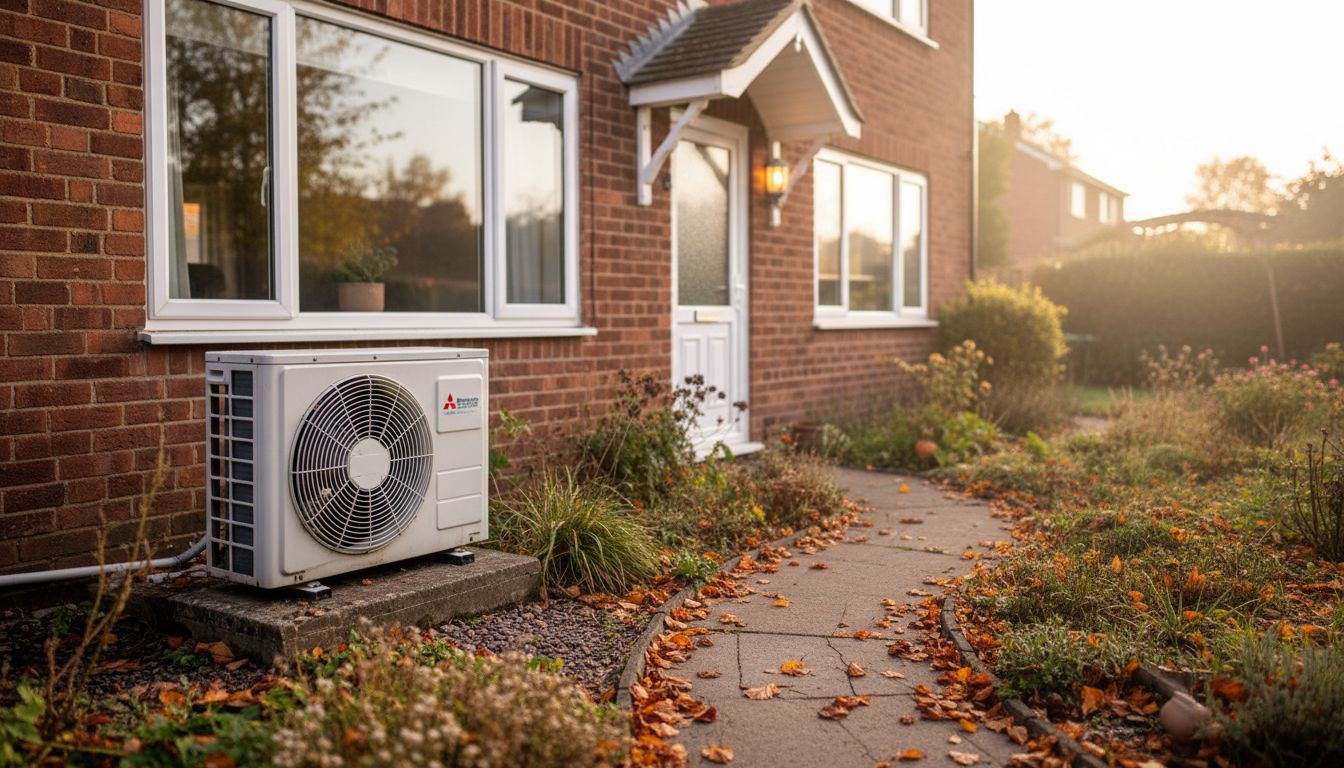
Over 80 percent of british homes still rely on gas boilers for heat, yet many people are searching for cleaner and more efficient options. With energy bills rising and climate targets in focus, understanding new technologies matters now more than ever. Heat pumps promise major improvements in both comfort and savings, offering a practical choice for british households looking to modernise. Discover how this technology really works and what makes it stand out in today’s changing home energy market.
| Point | Details |
|---|---|
| Energy Efficiency | Heat pumps transfer heat rather than generate it, offering an impressive efficiency ratio of up to three units of heat for every unit of electricity consumed. |
| Types of Heat Pumps | The main types of heat pumps include air source, ground source, and hybrid systems, each suited for different properties and conditions. |
| Installation Considerations | Proper assessment of insulation and existing infrastructure is vital for optimal heat pump performance and may require upfront investment. |
| Financial Implications | While initial installation costs are significant, government incentives and long-term savings on energy bills can make heat pumps a financially viable option. |
A heat pump is a sophisticated energy transfer system that provides efficient heating and cooling for homes by moving thermal energy from one location to another. Unlike traditional heating systems that generate heat, heat pumps transfer heat using electricity, making them significantly more energy efficient.
At its core, a heat pump operates like a refrigerator in reverse. It extracts heat from external sources such as the ground or outside air, even when temperatures seem cold. The system uses a refrigerant that circulates through a closed loop, absorbing heat from the environment and then compressing it to increase its temperature. This compressed, warmed refrigerant is then transferred inside your home, providing warmth during winter months. Remarkably, heat pumps can produce around three units of heat for every single unit of electricity consumed, creating an impressive efficiency ratio.
There are primarily two main types of heat pumps used in UK homes: air source and ground source. Air source heat pumps extract heat directly from the outside air, working effectively even at temperatures as low as -15°C. Ground source heat pumps, alternatively, draw thermal energy from underground pipes laid horizontally or vertically in your garden or land surrounding your property. These systems tend to be more stable in temperature but require more initial installation work.
The versatility of heat pumps extends beyond just heating. During summer months, they can reverse their operation, functioning similarly to an air conditioning unit by removing heat from inside your home and transferring it outside. This dual functionality makes them an increasingly attractive option for homeowners seeking a comprehensive, energy-efficient climate control solution.
Heat pumps represent a diverse family of heating technologies, each designed to extract thermal energy from different environmental sources. Understanding the unique characteristics of each heat pump type allows homeowners to select the most suitable system for their specific property and climate conditions.
The primary categories of heat pumps include Air Source Heat Pumps (ASHPs), Ground Source Heat Pumps (GSHPs), Water Source Heat Pumps (WSHPs), and Hybrid Heat Pumps. Air source heat pumps are the most common, extracting heat directly from outside air temperatures and functioning effectively even when external temperatures drop to around -15°C. These systems are typically easier and less expensive to install compared to other heat pump varieties, making them an attractive option for many UK households.
Ground source heat pumps represent a more sophisticated approach to thermal energy extraction. These systems utilise underground pipes laid either horizontally or vertically to capture consistent ground temperatures, providing a more stable heat source throughout the year. While installation requires more extensive groundwork and initial investment, ground source heat pumps offer superior efficiency and lower long-term operational costs. Water source heat pumps, though less common, can be exceptionally efficient for properties located near lakes, rivers, or other water bodies, using water as their primary heat exchange medium.
Hybrid heat pump systems offer remarkable flexibility by combining traditional heating technologies with modern heat pump efficiency. These innovative systems can automatically switch between different energy sources, such as integrating a heat pump with an existing gas boiler, optimising energy consumption and reducing overall carbon emissions. By intelligently managing energy usage, hybrid heat pumps provide homeowners with a versatile and adaptive heating solution that can respond to varying environmental conditions and energy pricing.
Successful heat pump installation requires careful consideration of multiple factors to ensure optimal performance and efficiency. Recent planning permission reforms have significantly simplified the process, making heat pump technology more accessible for UK homeowners.
Before installation, a comprehensive property assessment is crucial. This evaluation includes examining your home’s existing insulation, electrical infrastructure, and heating system compatibility. Insulation quality is particularly critical, as heat pumps operate most efficiently in well-insulated properties. Homeowners should consider upgrading wall, roof, and floor insulation to maximise the system’s performance. The assessment will also determine the most suitable heat pump type for your specific property – whether air source, ground source, or hybrid – based on factors like available outdoor space, ground conditions, and local climate characteristics.
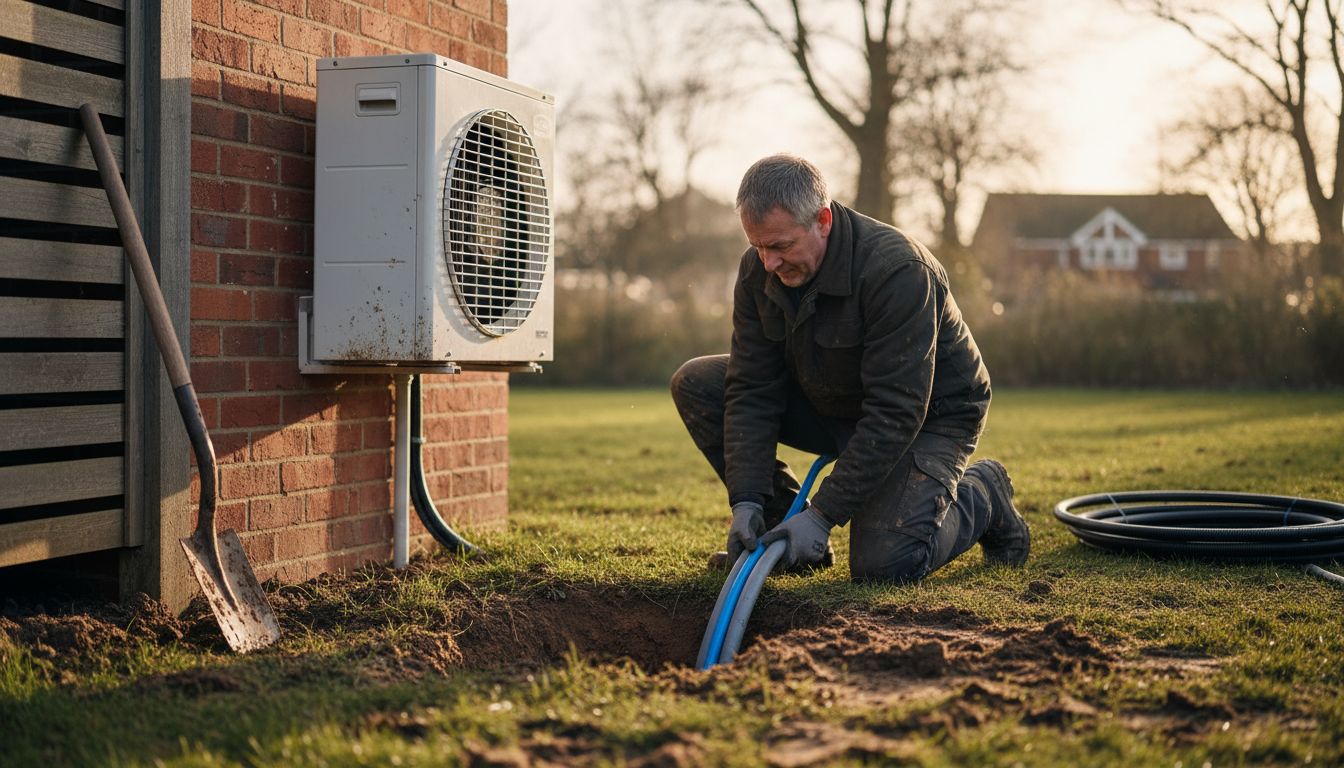
The installation process involves several key technical considerations. For air source heat pumps, you’ll need adequate external space for the outdoor unit, typically mounted on a wall or placed on a ground-mounted platform. Ground source heat pumps require significant groundwork, either through horizontal trenching or vertical boreholes, depending on your property’s available land area. Electrical system upgrades might be necessary to support the heat pump’s power requirements, which often involve installing a dedicated circuit and potentially upgrading your home’s electrical panel.
Financial planning is equally important when considering heat pump installation. While initial costs can be substantial, various government grants and incentive programmes can significantly offset expenses. Homeowners should research available financial support, such as the Boiler Upgrade Scheme, which provides grants towards heat pump installation. Additionally, consider long-term energy savings and potential increases in property value when evaluating the overall investment. Professional consultation with certified heat pump installers can provide tailored advice specific to your property’s unique characteristics and energy requirements.
Heat pump economics represent a complex balance of initial investment, ongoing energy expenses, and long-term financial benefits. Government research indicates that heat pumps can generate substantial savings for households willing to transition from traditional heating systems, with typical gas households potentially saving around £234 annually by adopting smart electricity tariffs.
Running costs vary significantly depending on several critical factors. Electricity rates, home insulation quality, and the specific heat pump model dramatically influence overall operational expenses. Air source heat pumps generally have lower installation costs compared to ground source systems, but their efficiency can fluctuate with external temperature changes. Ground source heat pumps, while more expensive to install, typically offer more consistent performance and lower long-term running costs. Homeowners can optimise expenses by selecting energy-efficient models, improving home insulation, and leveraging off-peak electricity tariffs.
Maintenance is crucial for ensuring your heat pump’s longevity and performance. Professional maintenance strategies should include annual professional servicing, which involves comprehensive system checks, refrigerant level assessments, and cleaning of both indoor and outdoor units. Homeowners can support system efficiency through simple yet effective practices like regularly cleaning air filters, checking external units for debris, and ensuring adequate clearance around outdoor equipment. These proactive maintenance steps can prevent potential breakdowns, extend the system’s operational life, and maintain optimal energy efficiency.
The broader financial landscape for heat pumps continues to evolve. While current upfront costs remain substantial, government grants, increasing technological efficiency, and growing environmental awareness are making heat pumps increasingly attractive. Potential savings extend beyond direct energy costs, potentially increasing property values and reducing carbon footprints. Homeowners should consider these systems as long-term investments, weighing initial expenses against future energy price fluctuations and potential environmental incentives.
Heat pumps represent a sophisticated heating technology with compelling advantages and nuanced challenges for UK homeowners. Modern heat pump systems offer remarkable energy efficiency, typically generating three or more units of heat for every single unit of electricity consumed, presenting a significant improvement over traditional heating methods.
The primary benefits of heat pumps extend far beyond simple energy conservation. Environmental impact stands out as a critical advantage, with these systems dramatically reducing carbon emissions compared to fossil fuel-based heating. They can utilise electricity from increasingly renewable sources, making them a cornerstone of sustainable home energy strategies. Air source heat pumps offer flexibility in installation, while ground source variants provide more consistent performance. However, potential drawbacks include substantial upfront installation costs, which can range from £7,000 to £35,000 depending on the system complexity and property characteristics.
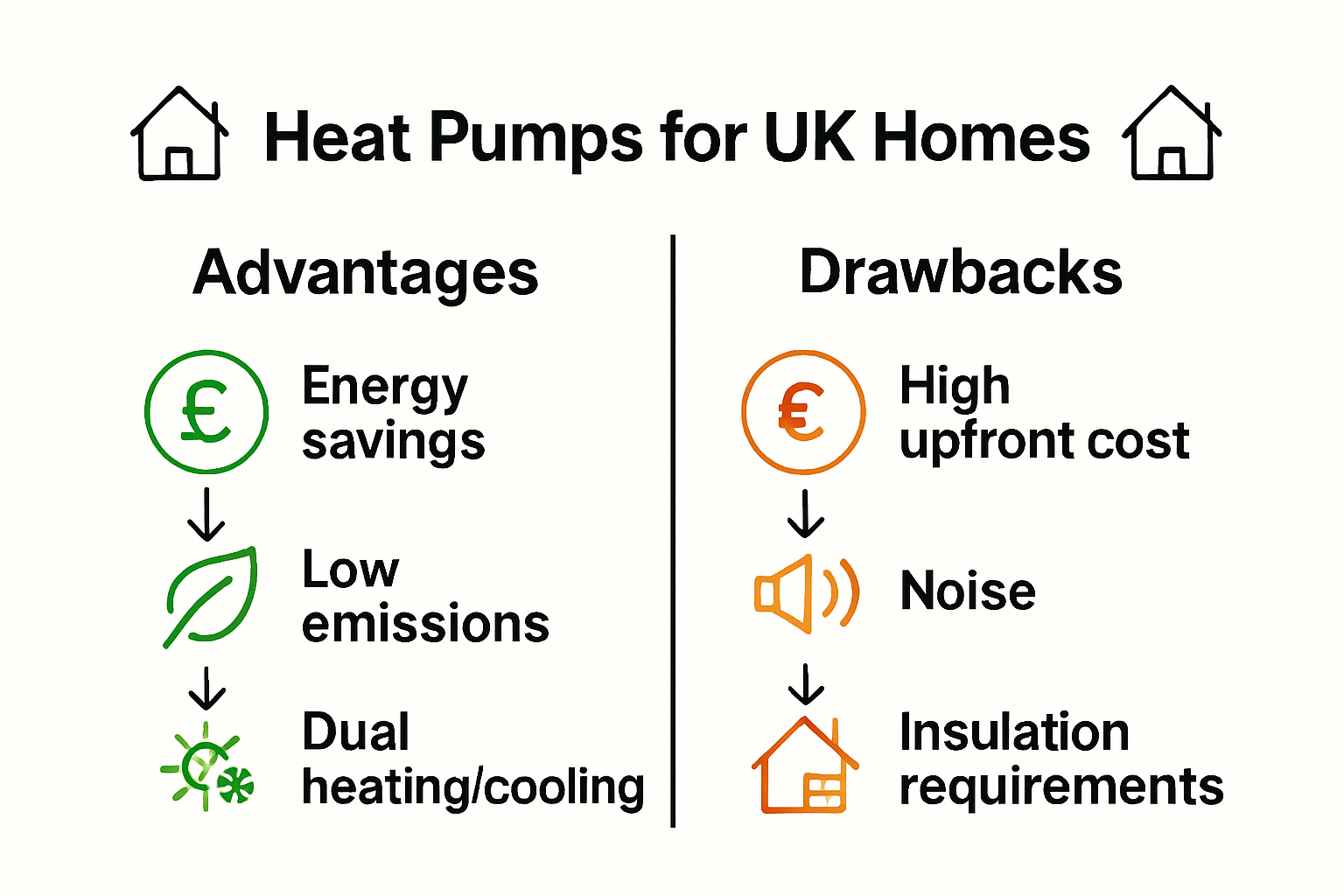
Technical considerations play a crucial role in heat pump effectiveness. Optimal performance requires excellent home insulation, potentially necessitating additional investment in building fabric improvements. Older properties with poor thermal efficiency might find heat pumps less suitable without significant upgrades. Noise levels from external units, particularly with air source systems, can also be a consideration for some homeowners, though modern designs have significantly reduced acoustic emissions.
The long-term value proposition of heat pumps remains compelling despite initial challenges. While current installation costs remain high, government incentives, increasing technological efficiency, and rising environmental consciousness are making these systems increasingly attractive. Homeowners should conduct thorough cost-benefit analyses, considering factors like existing infrastructure, local climate, and potential future energy price fluctuations when evaluating heat pump adoption.
If you are considering a heat pump to reduce your carbon footprint and lower energy bills you might feel overwhelmed by the choices and technical details covered in the “Complete Guide to Heat Pumps for UK Homes”. Choosing the right system requires expert advice on factors like insulation, installation complexity and long-term savings. Our team at Skan Heating specialises in guiding residents of Hampshire through this process with confidence and clarity.

Benefit from over 18 years of experience with professional heat pump installation, maintenance and repair services designed to maximise performance and comfort. Don’t let initial costs or technical uncertainty delay your transition to sustainable heating. Contact us today at Skan Heating to schedule a home assessment or discuss your heating options. Act now for a warmer and more energy-efficient home backed by trusted Hampshire heating experts.
A heat pump is an energy transfer system that efficiently heats and cools homes by moving thermal energy. It operates by extracting heat from external sources like air or ground, even in cold temperatures, using electricity to transfer this heat indoors.
The main types of heat pumps are air source heat pumps, which extract heat from outside air, and ground source heat pumps, which draw thermal energy from underground. There are also water source heat pumps and hybrid heat pumps that combine traditional and modern heating technologies.
Heat pumps are generally more energy-efficient than traditional heating systems, producing around three units of heat for every unit of electricity consumed. This makes them a more sustainable option, especially when powered by renewable electricity sources.
Key factors include your home’s insulation quality, available outdoor space for the heat pump unit, local climate conditions, and potential installation costs. A professional assessment can help determine the best type of heat pump for your property.


