
Have an emergency? Call us now on 07732 234231. Available 24/7 with a 30 minute response time.

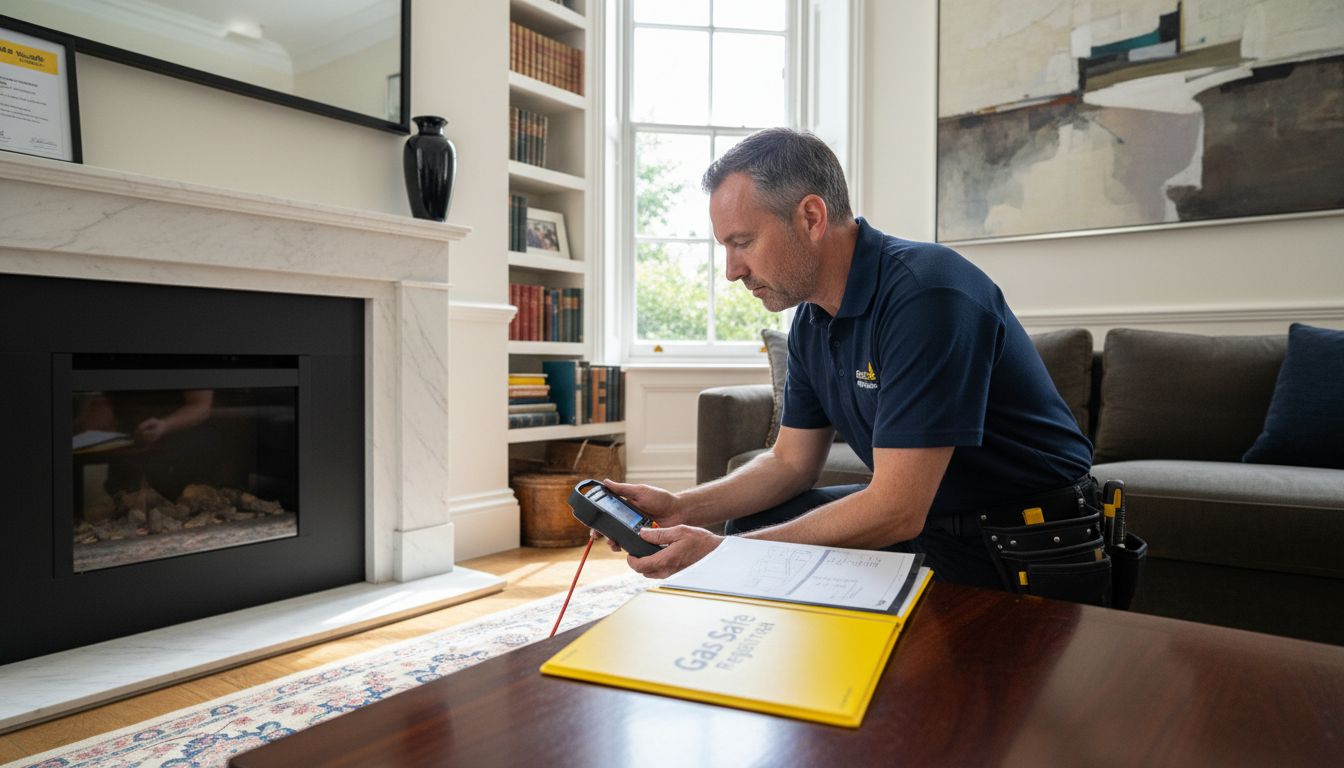
Every year, thousands of british households trust gas fires to keep their homes cosy and warm. Yet, many do not realise that over 30 percent of gas fire breakdowns are linked to skipped servicing. Regular maintenance is far more than a box-ticking exercise. It directly affects your safety, energy bills, and peace of mind. Knowing what proper gas fire servicing involves helps you protect your family and avoid costly surprises down the road.
| Point | Details |
|---|---|
| Annual Servicing is Essential | Schedule professional gas fire servicing every 12 months to ensure safety and efficiency. |
| Comprehensive Inspections Safeguard Home | Gas Safe registered engineers conduct thorough checks to detect issues before they escalate. |
| Legal Compliance is Mandatory | Landlords must obtain gas safety certificates through annual inspections to meet legal obligations. |
| Be Aware of Warning Signs | Homeowners should recognise performance indicators like unusual flame colour or strange odours to prompt immediate professional attention. |
Gas fire servicing is a critical maintenance procedure that ensures the safety and efficient operation of your home heating appliance. A comprehensive service involves a thorough examination of every component to identify potential risks and maintain optimal performance. Gas Safe engineers conduct detailed inspections designed to protect both your home and family.
During a typical gas fire service, technicians will perform multiple crucial checks. These include examining the gas valve, assessing flame patterns, checking ventilation systems, and inspecting all seals and connections for potential leaks or wear. The primary goal is to verify that your gas fire operates safely and meets all required safety standards. Experts recommend scheduling a professional service every 12 months to maintain peak efficiency and prevent potential hazards.
Key components of a comprehensive gas fire service include:
Beyond routine maintenance, professional servicing helps identify potential issues before they become significant problems. By investing in regular gas fire servicing, homeowners can extend the lifespan of their appliance, ensure safe operation, and potentially avoid costly emergency repairs in the future.
Gas fires come in various configurations, each with unique service requirements that demand specialised attention from qualified professionals. Registered heating engineers understand the nuanced maintenance needs of different gas fire models, ensuring optimal performance and safety across all types of installations.
Traditional Open-Flame Gas Fires typically require more frequent servicing due to their complex combustion mechanisms. Experienced engineers meticulously clean gas jets, inspect flame patterns, and verify ventilation systems to prevent potential hazards. These models often need thorough cleaning to remove accumulated dust and debris that can compromise performance.
Key service requirements vary depending on gas fire type:
Professional servicing goes beyond basic maintenance. Engineers thoroughly inspect every component to ensure safe operation, checking gas pressures, testing carbon monoxide levels, and verifying all mechanical and safety systems. Homeowners should prioritise annual professional servicing to maintain their gas fire’s efficiency, safety, and longevity, preventing potential costly repairs and ensuring reliable home heating.
Professional gas fire servicing follows a meticulous and comprehensive procedure designed to ensure maximum safety and optimal performance. Gas Safe registered engineers approach each service with a systematic methodology that covers every critical aspect of the appliance.
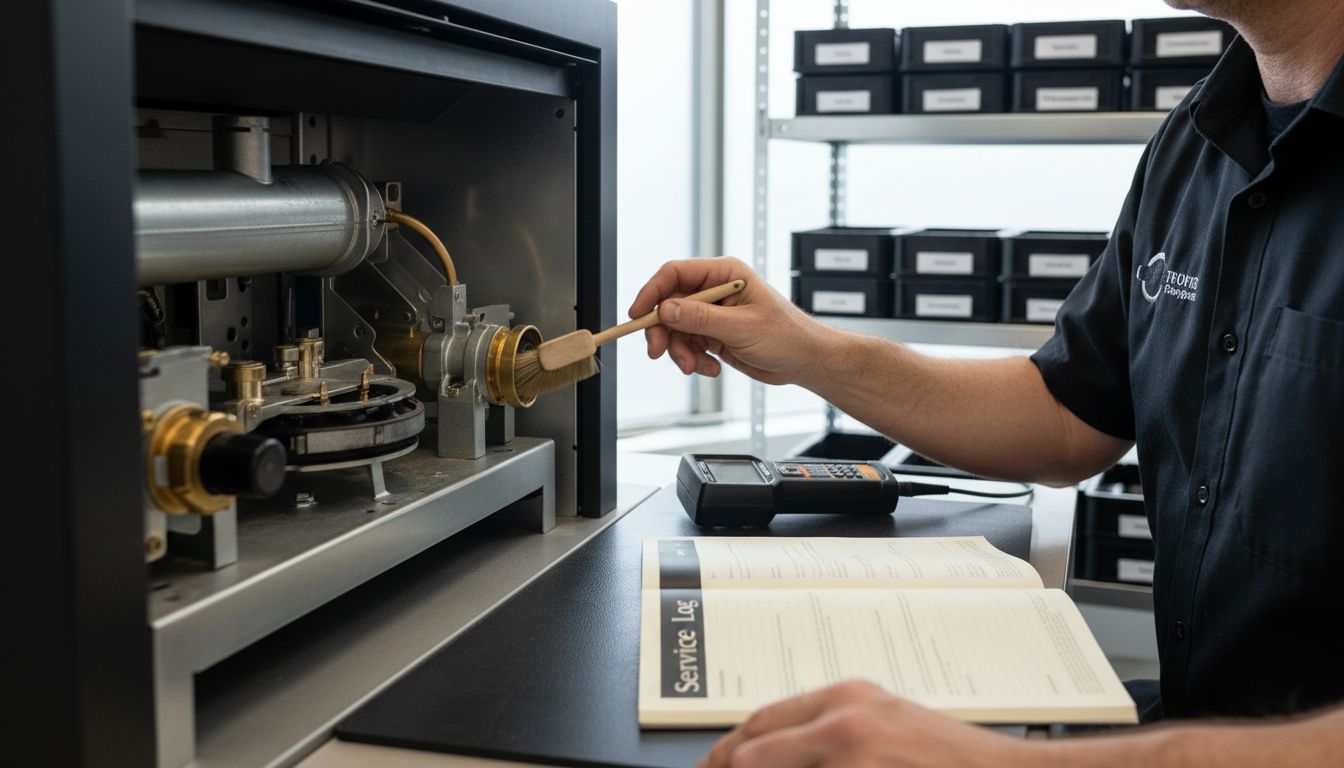
The servicing process typically begins with a thorough visual inspection. Initial Assessment involves examining the entire gas fire for any visible signs of wear, damage, or potential issues. Engineers carefully check external components, seals, and connections, looking for any indications of corrosion, blockages, or structural compromise that could impact the fire’s safe operation.
Key steps in the comprehensive servicing process include:
Visual and Physical Inspection
Technical Performance Evaluation
Cleaning and Maintenance
The final stage of servicing involves detailed documentation and safety certification. Professional engineers provide a comprehensive report detailing all checks performed, any potential concerns identified, and recommendations for future maintenance. This systematic approach ensures that your gas fire remains safe, efficient, and compliant with current safety regulations, giving homeowners peace of mind and protecting their valuable heating investment.
Gas fire installations come with significant legal responsibilities that extend beyond simple maintenance. Government regulations mandate strict safety protocols designed to protect consumers from potential hazards associated with gas appliances.
Landlord Responsibilities are particularly stringent. Legally mandated gas safety certificates must be obtained for all rental properties with gas installations, requiring annual professional inspections by certified engineers. These certificates demonstrate that all gas appliances have been thoroughly examined and meet the required safety standards, protecting both tenants and property owners from potential legal liabilities.
Key legal requirements for gas fire safety include:
Property owners must understand that non-compliance can result in significant legal and financial consequences. Failure to maintain proper safety standards can lead to substantial fines, potential criminal prosecution, and invalidation of insurance policies. Registered heating engineers play a crucial role in ensuring that all gas fire installations meet the stringent safety standards required by UK law, providing homeowners and landlords with professional assurance and legal protection.
Recognising potential problems with your gas fire early can prevent serious safety risks and expensive repairs. Gas Safe registered engineers emphasise the importance of understanding and quickly identifying warning signs that indicate your gas fire needs professional attention.
Performance Indicators provide crucial insights into your gas fire’s health. Unusual flame colours, particularly orange or yellow instead of blue, suggest incomplete combustion and potential carbon monoxide production. Irregular flame patterns, excessive condensation around the appliance, or persistent pilot light issues are immediate red flags that warrant professional inspection.
Key warning signs homeowners should never ignore include:
Carbon monoxide represents the most critical safety concern with gas fires. Professional servicing can detect subtle signs of potential carbon monoxide leakage, such as black staining around the appliance, increased condensation, or unexplained health symptoms like headaches and nausea. Homeowners should install carbon monoxide detectors and schedule regular professional inspections to ensure their gas fire remains safe, efficient, and reliable.
Understanding the financial and practical aspects of gas fire servicing helps homeowners make informed decisions about their heating system maintenance. Professional service costs typically range around £85 for a comprehensive annual inspection, which includes a detailed safety check and thorough system evaluation.
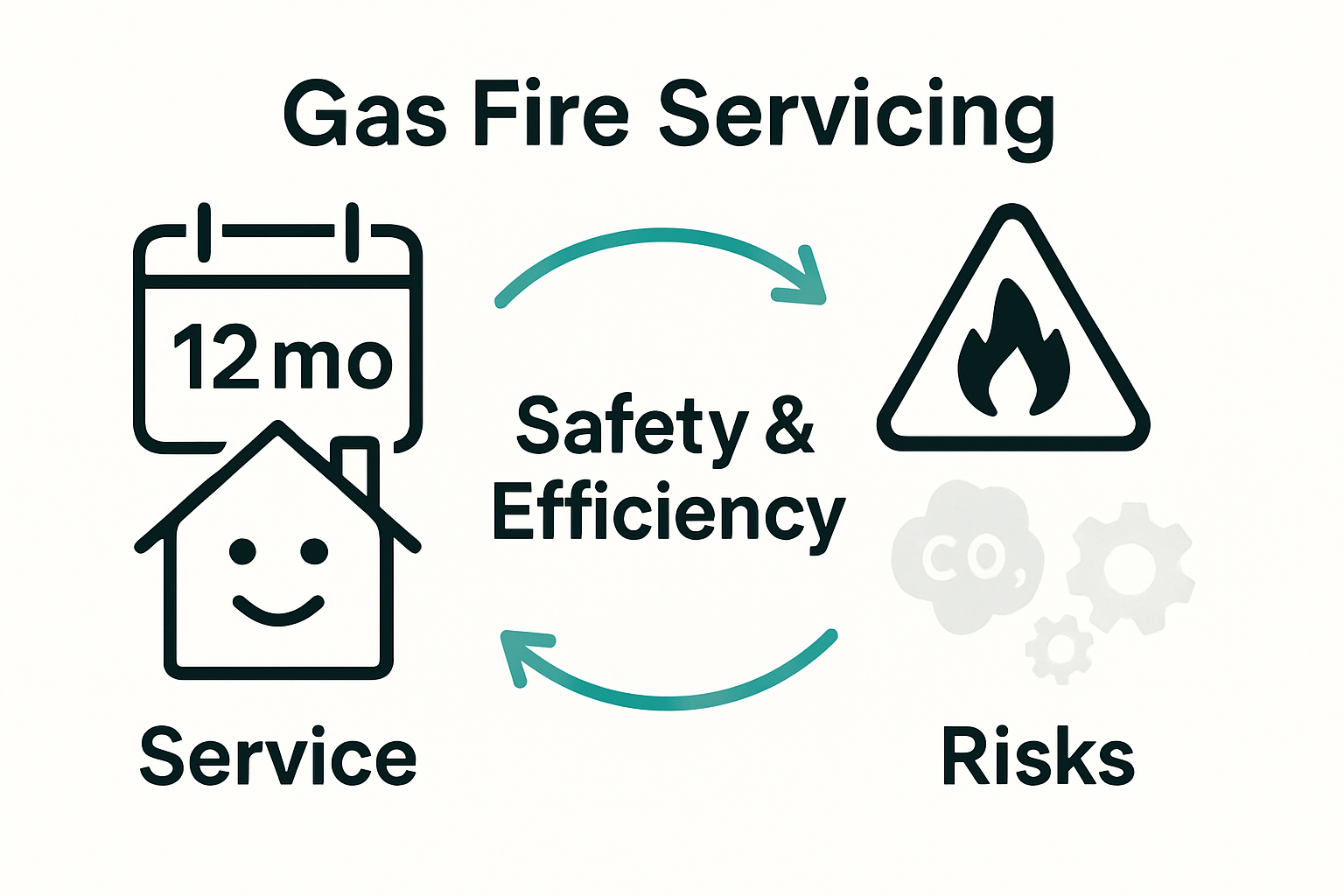
Annual Servicing is crucial for maintaining your gas fire’s safety and efficiency. Gas Safe registered engineers recommend scheduling a professional inspection every 12 months, regardless of the appliance’s apparent condition. This proactive approach helps identify potential issues before they escalate into costly repairs or dangerous malfunctions.
Criteria for selecting a professional gas fire service engineer include:
Beyond the standard service fee, homeowners should consider the long-term financial benefits of regular maintenance. Professional inspections can prevent expensive emergency repairs, extend the lifespan of your gas fire, and ensure optimal energy efficiency. Investing in annual servicing is ultimately a cost-effective strategy that protects both your heating system and your household’s safety.
Maintaining your gas fire involves more than just regular cleaning it requires a thorough inspection by a Gas Safe registered engineer to prevent risks like carbon monoxide leaks and inefficient combustion. The detailed servicing steps highlighted in the guide show how vital it is to address issues such as unusual flame colours or ventilation problems promptly. Don’t wait until a small glitch turns into a costly emergency that jeopardises your home and loved ones.

Trust the expertise of your local Hampshire heating specialists at Skan Heating who bring 18 years of experience working with all types of gas fires and heating systems. Our certified team offers reliable annual servicing, urgent repairs, and comprehensive safety checks that align perfectly with UK gas safety standards. Book your professional gas fire service today for peace of mind and efficient home heating. Learn more about how our Gas Safe engineers can help and secure your appointment now by visiting https://skanheating.co.uk.
It is recommended to schedule a professional gas fire service every 12 months to ensure safety and efficiency.
A comprehensive gas fire service includes visual inspections, gas pressure tests, cleaning of internal components, checking carbon monoxide emissions, and verification of ignition and flame stability.
Key warning signs include unusual flame colours, strange burning odours, excessive soot build-up, and reduced heating efficiency. If you notice any of these, it’s crucial to arrange for professional inspection immediately.
Carbon monoxide is a hazardous gas that can be produced by incomplete combustion in gas fires. Regular servicing helps detect potential leaks, and installing detectors ensures your family’s safety from this silent threat.


