
Have an emergency? Call us now on 07732 234231. Available 24/7 with a 30 minute response time.

More than 20 percent of british households face unexpected boiler issues each year, often because maintenance steps get skipped or done incorrectly. Routine upkeep is not just about comfort during cold spells, it is also about household safety and avoiding costly repairs down the road. This guide gives you a practical, step by step approach to home boiler maintenance, showing how the right tools and checks make a real difference.
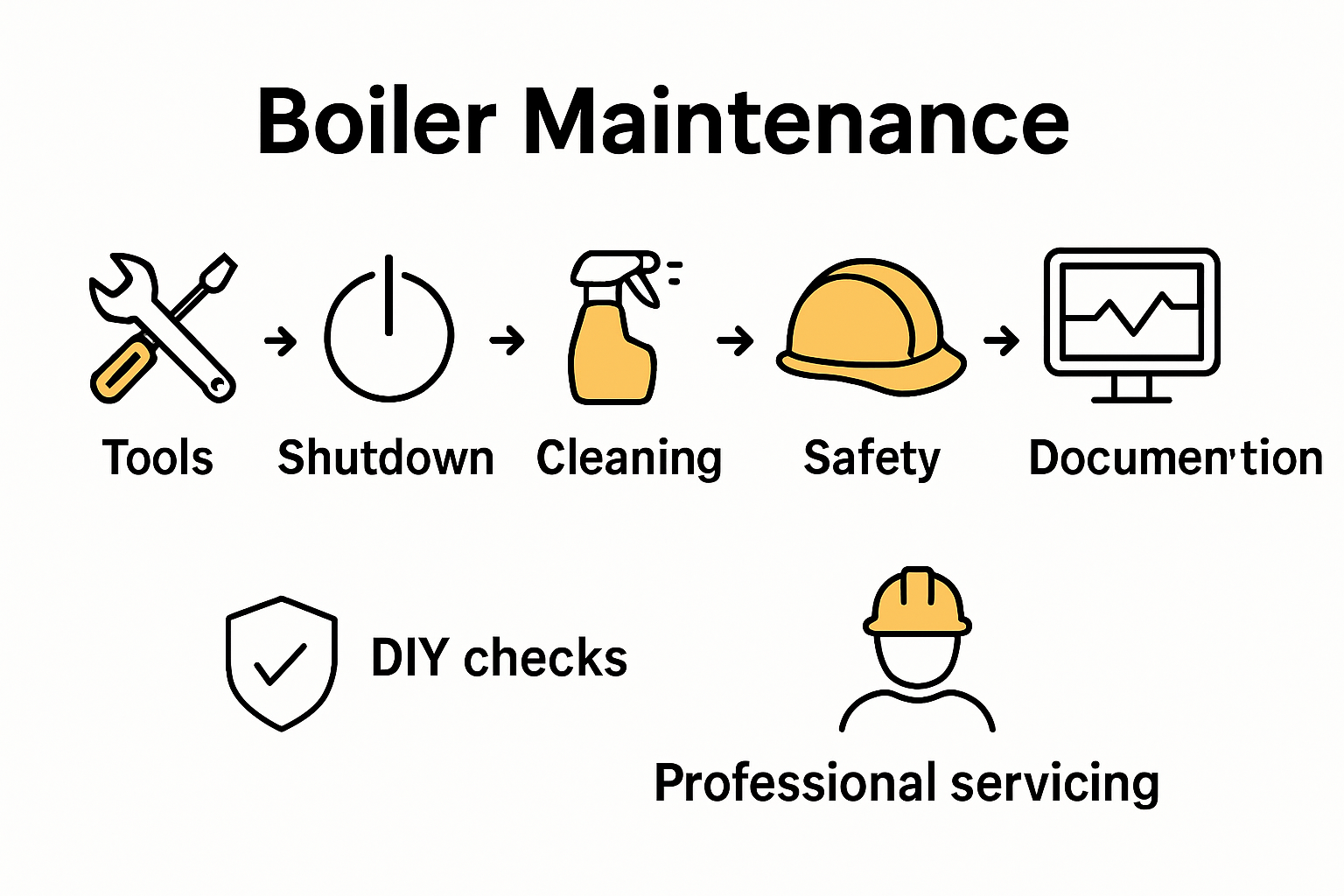
| Key Message | Explanation |
|---|---|
| 1. Use essential tools and safety gear | Gather precision screwdrivers, spanners, wrenches, multimeters, pressure gauges, gloves, safety glasses, and respiratory protection for maintenance tasks. |
| 2. Perform systematic shutdown and inspection | Power down the boiler and inspect for wear, corrosion, or damage to identify necessary repairs or replacements. |
| 3. Clean components without moisture | Ensure internal and external surfaces are free from dust and debris, avoiding moisture on electrical components to prevent damage. |
| 4. Test all safety controls thoroughly | Check functionality of pressure relief valves, thermostats, and sensors to ensure safety mechanisms are working correctly. |
| 5. Document findings and schedule servicing | Record inspection observations in detail and arrange for professional servicing to maintain boiler efficiency and safety. |
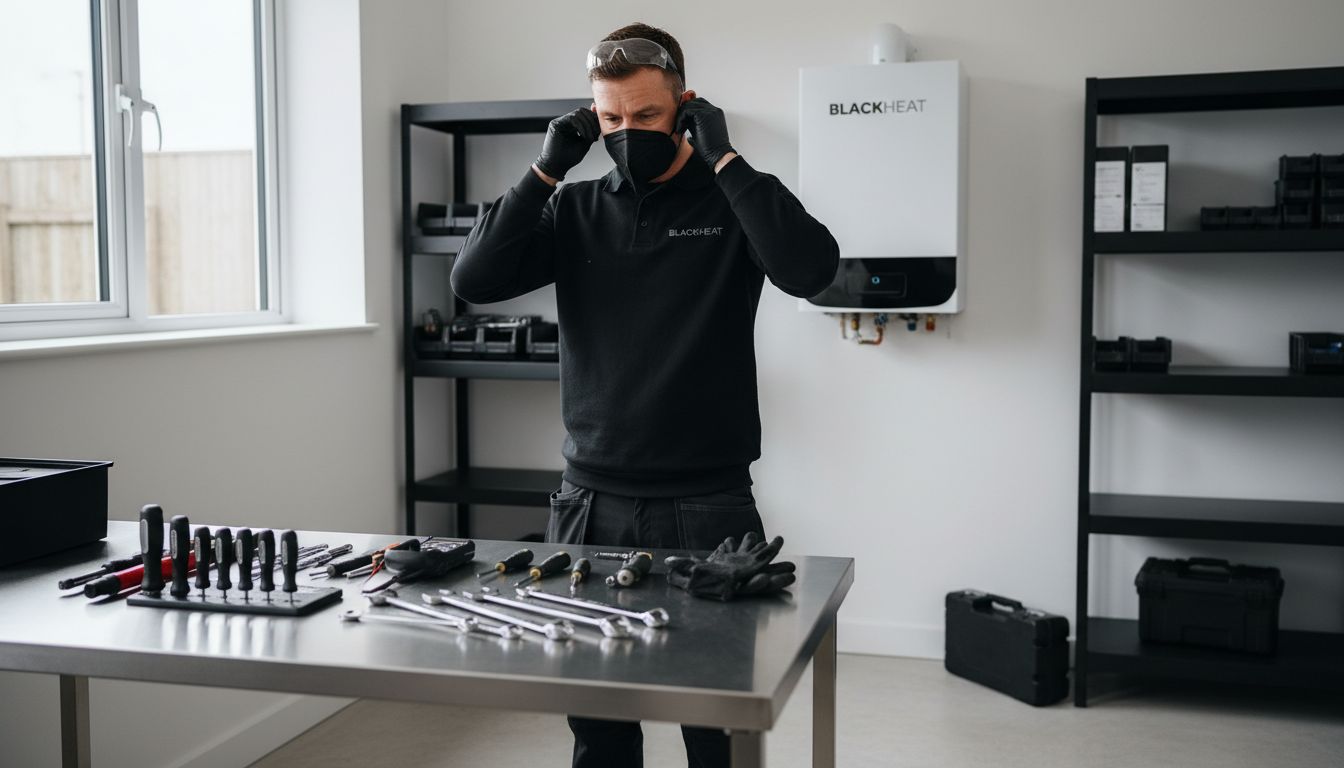
Before diving into boiler maintenance, you need the right tools and safety gear. According to the Ofgem ECO3 Boiler Assessment Checklist, proper preparation is critical for ensuring safety and compliance during equipment inspections.
Your essential toolkit should include precision screwdrivers, adjustable spanners, pipe wrenches, multimeter, pressure gauge, protective gloves, safety glasses, and respiratory protection. As recommended by the Benchmark government checklist, investing in high quality personal protective equipment is non negotiable. These items protect you from potential hazards like unexpected gas leaks, electrical risks, or accidental steam releases.
Pro tip: Always conduct a quick equipment check before starting any maintenance work. Ensure all tools are clean, undamaged and functioning correctly. A compromised tool could turn a routine service into a dangerous situation. Your personal safety is paramount when working with heating systems.
With your tools and safety equipment prepared, you are now ready to move on to the next stage of your boiler maintenance process.
Now that you have your safety equipment ready, it is time to methodically shut down and inspect your boiler unit. According to the Ofgem ECO3 Boiler Assessment Checklist, a thorough and systematic approach is crucial for determining whether your boiler requires repair or replacement.
Begin by completely powering down the boiler. Turn off the electrical supply at the main switch and close the gas isolation valve to prevent any potential gas flow. Next, allow the system to cool down completely before opening the boiler casing. As recommended by the Benchmark digital checklist, visually inspect all external components for signs of wear, corrosion, or damage. Pay special attention to pipe connections, seals, and the heat exchanger for any visible deterioration.
Warning: Never attempt to open or inspect a boiler while it is still hot or energised. Waiting for complete cooling prevents potential burns or electrical shock. Look for telltale signs like rust, water stains, or unusual discolouration which might indicate underlying issues.
With your initial inspection complete, you are now prepared to move forward to the next stage of detailed boiler diagnostics.
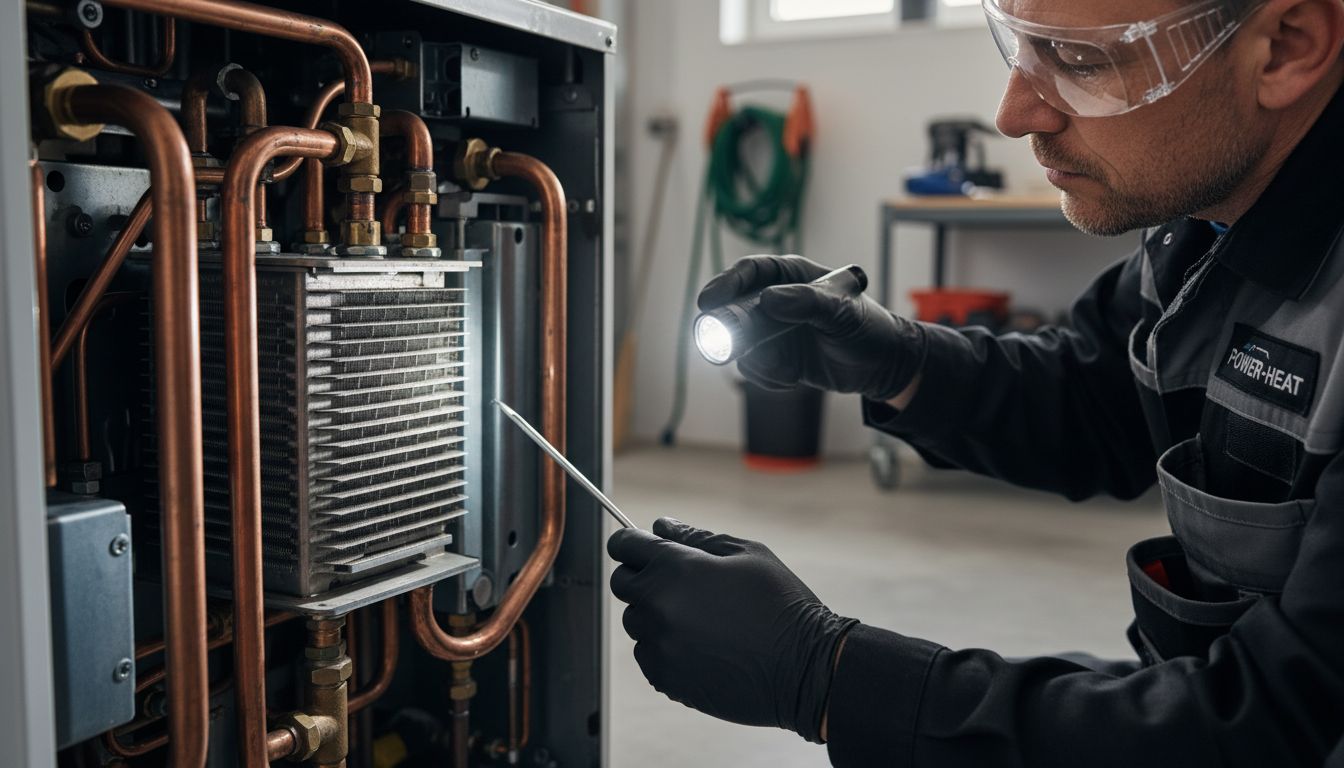
After conducting your initial boiler inspection, the next critical stage involves meticulously cleaning both internal and external components. According to the Ofgem ECO3 Boiler Assessment Checklist, maintaining cleanliness is fundamental for optimal performance and safety.
Begin by carefully removing dust and debris from external surfaces using a soft microfibre cloth. For internal components, use specialised compressed air to dislodge accumulated dirt without causing damage. The Benchmark digital checklist recommends paying particular attention to the heat exchanger, burners, and flue ways. These areas are prone to carbon and soot buildup which can significantly reduce boiler efficiency and potentially create safety hazards.
Warning: Never use water or liquid cleaning agents directly on electrical components. Moisture can cause short circuits or irreparable damage. If you encounter stubborn grime or are unsure about a specific cleaning technique, it is always safer to consult a professional heating engineer who can perform a thorough and safe cleaning.
With your boiler components now cleaned, you are prepared to move on to the next critical stage of your maintenance routine.
With your boiler components cleaned, it is crucial to methodically verify all safety mechanisms. According to the Ofgem ECO3 Boiler Assessment Checklist, comprehensive safety control testing is fundamental to preventing potential hazards and ensuring optimal system performance.
Begin by examining the pressure relief valve and checking its functionality. This valve prevents excessive pressure buildup that could lead to catastrophic system failure. Next, test the thermostat and temperature controls to confirm they accurately regulate heating output. The Benchmark digital checklist emphasises the importance of verifying each safety switch and sensor. Pay close attention to carbon monoxide detectors, flame sensors, and emergency shutoff mechanisms. Ensure these components respond precisely and consistently during your systematic evaluation.
Warning: If you detect any irregularities or experience uncertainty during safety control testing, immediately discontinue your assessment and contact a qualified heating engineer. Faulty safety controls can pose significant risks to your property and personal safety. Professional technicians possess the specialised equipment and expertise to conduct comprehensive diagnostics and rectify potential issues.
With your safety controls thoroughly examined, you are now prepared to advance to the next stage of your boiler maintenance routine.
After checking safety controls, the next critical stage involves carefully monitoring your boiler system’s overall performance and detecting any potential leaks. According to the Ofgem ECO3 Boiler Assessment Checklist, systematic performance monitoring is essential for maintaining system efficiency and preventing potential costly damages.
Begin by checking the system pressure gauge and comparing it against manufacturer recommended levels. Look for any unusual water stains, dampness, or corrosion around pipe connections, valves, and sealing points. The Benchmark digital checklist recommends paying close attention to areas around pipe joints, expansion vessels, and the heat exchanger. Listen for unexpected sounds like hissing or dripping which could indicate hidden leaks. Check for subtle signs of water damage such as discolouration, rust, or mineral deposits that might suggest ongoing moisture issues.
Warning: Small leaks can rapidly escalate into significant problems if left unaddressed. Any detected moisture or performance irregularities should prompt immediate professional investigation. Even minor leaks can compromise your boiler’s structural integrity, reduce energy efficiency, and potentially lead to more extensive and expensive repairs.
With your system performance thoroughly assessed, you are now prepared to proceed to the final stages of your comprehensive boiler maintenance routine.
The final stage of your boiler maintenance routine involves carefully documenting your inspection findings and arranging professional servicing. According to the Ofgem ECO3 Boiler Assessment Checklist, comprehensive documentation is crucial for tracking your boiler’s health and ensuring long term system reliability.
Create a detailed maintenance log recording all observations during your inspection. Note specific details such as system pressure readings, visual condition of components, any unusual sounds or performance irregularities, and potential areas of concern. The Benchmark digital checklist recommends including photographs of any detected issues to provide visual context for professional technicians. Use this documentation to schedule a comprehensive professional service, ideally with a certified heating engineer who can conduct a thorough diagnostic assessment and address any potential problems identified during your maintenance routine.
Warning: Professional servicing is not optional but essential. Even if your inspection seems uneventful, annual professional maintenance can prevent unexpected breakdowns, extend your boiler’s lifespan, and ensure ongoing safety and efficiency. Your meticulously documented findings will provide valuable insights for the technician, potentially saving you time and unexpected repair costs.
With your documentation complete and professional servicing scheduled, you have successfully concluded a comprehensive boiler maintenance process.
Regular boiler maintenance is critical for protecting your home and ensuring your heating system works reliably without hidden hazards such as leaks, faulty safety controls, or efficiency loss. The step-by-step checklist highlights common challenges like inspecting components, cleaning, and monitoring system pressure—all tasks that require attention to detail and safety awareness. Don’t let minor issues become costly repairs or safety risks.

Take the worry out of boiler upkeep by calling on over 18 years of trusted experience from our certified technicians at SKAN Heating. Whether you need professional boiler servicing, emergency repairs, or expert advice on your heating system, we are here for residents and businesses in Portsmouth, Waterlooville, and the wider Hampshire area. Visit our professional plumbing and heating services page today and schedule your comprehensive boiler check before a small problem turns into a big one.
To perform boiler maintenance, you need essential tools including precision screwdrivers, adjustable spanners, pipe wrenches, a multimeter, and safety gear like gloves and goggles. Gather these tools before starting to ensure a smooth maintenance process.
Begin by turning off the electrical supply at the main switch and closing the gas isolation valve to prevent gas flow. Allow the boiler to cool completely before inspecting for any signs of wear or damage, ensuring you prioritise safety throughout the process.
During maintenance, clean both internal and external components of the boiler. Use a soft microfibre cloth for external cleaning and compressed air for internal components to dislodge dirt, focusing on the heat exchanger and burners to maintain optimal performance.
To check safety controls, examine the pressure relief valve, thermostat, and any carbon monoxide detectors. Test their functionality to ensure they respond accurately, addressing any irregularities before using the boiler again.
Look for any unusual performance issues such as fluctuating system pressure, unexplained noises, or visible leaks. If you detect these signs, schedule professional servicing immediately to prevent further complications.
Create a detailed maintenance log that records observations like system pressure readings, visual conditions of components, and any unusual sounds. This documentation will be valuable when scheduling professional servicing and addressing potential issues.


